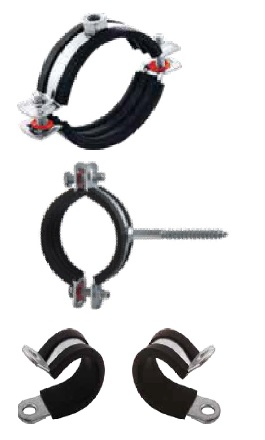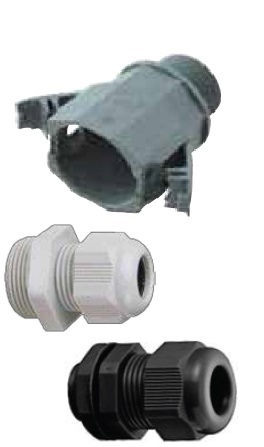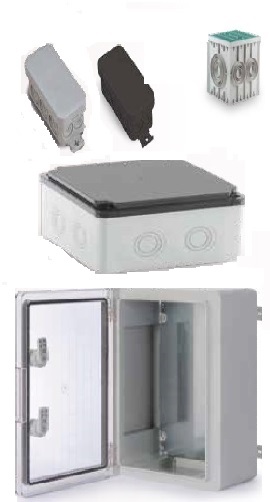







Cable protection pipes play a crucial role in modern electrical and industrial installations. They are designed to safeguard electrical cables from mechanical damage, moisture, chemicals, UV exposure, and other environmental hazards. Whether used in residential buildings, commercial projects, industrial facilities, or infrastructure developments, cable protection pipes help ensure the safety, longevity, and efficiency of electrical systems.
Cable protection pipes are specially engineered conduits that encase and protect electrical, communication, and data cables. They are manufactured from various materials, including PVC, HDPE, galvanized steel, stainless steel, and flexible metal conduits. The choice of material depends on the installation environment and the level of protection required.
These pipes prevent cable damage caused by external impacts, corrosion, vibration, and harsh weather conditions, reducing maintenance costs and minimizing system downtime.
One of the primary advantages of cable protection pipes is their ability to protect cables from physical damage. Construction activities, heavy machinery, and accidental impacts can easily damage exposed cables. Protective conduits create a secure barrier that significantly reduces these risks.
By shielding cables from environmental factors such as moisture, dust, chemicals, and UV radiation, cable protection pipes help extend the operational lifespan of electrical systems.
Many cable protection pipe systems are manufactured using fire-resistant materials that help prevent the spread of flames in the event of an electrical fault, improving overall building safety.
Properly installed cable conduits simplify maintenance procedures. Technicians can inspect, replace, or upgrade cables without extensive excavation or structural modifications.
Cable protection pipes help installations comply with international electrical safety standards and regulations, ensuring safe operation in residential, commercial, and industrial environments.
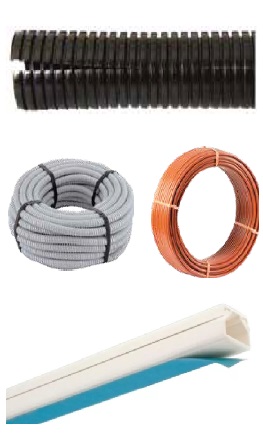
PVC conduits are lightweight, corrosion-resistant, and cost-effective. They are widely used in residential and commercial electrical installations.
High-Density Polyethylene (HDPE) pipes offer excellent flexibility, impact resistance, and durability. They are commonly used in underground cable installations and telecommunications infrastructure.
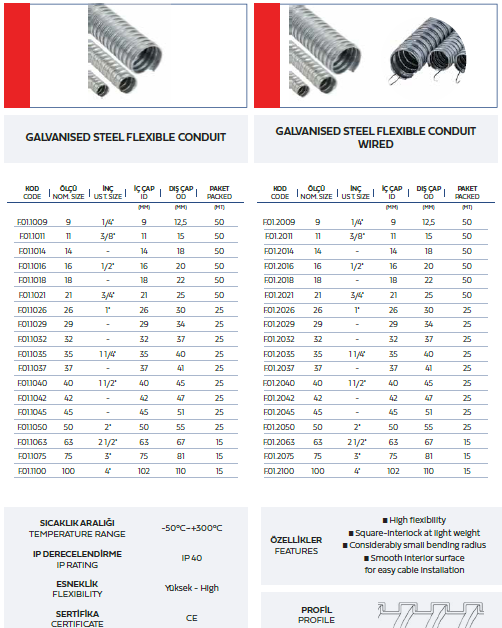
Steel conduits provide superior mechanical protection and are ideal for industrial applications where cables are exposed to harsh operating conditions.
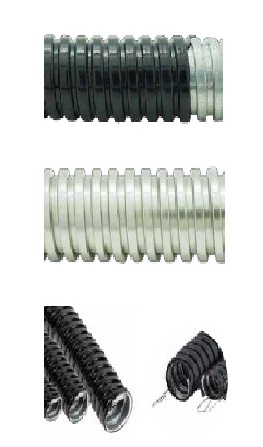
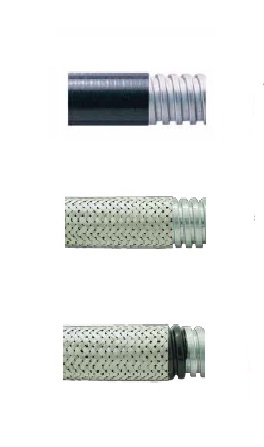
Flexible metal conduits are suitable for installations requiring movement, vibration resistance, or complex routing. They combine durability with installation flexibility.
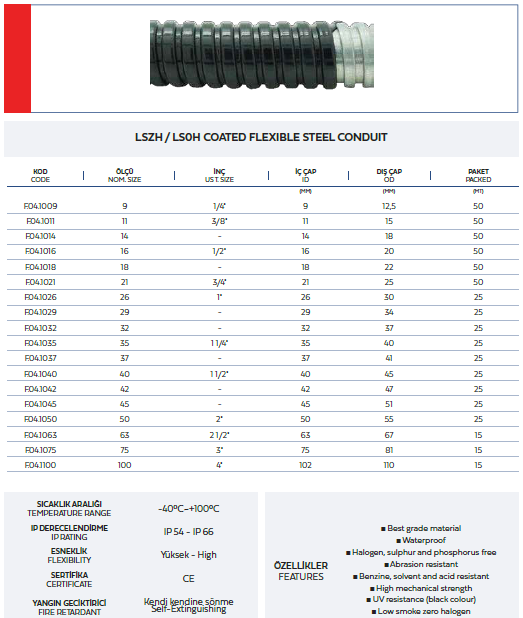
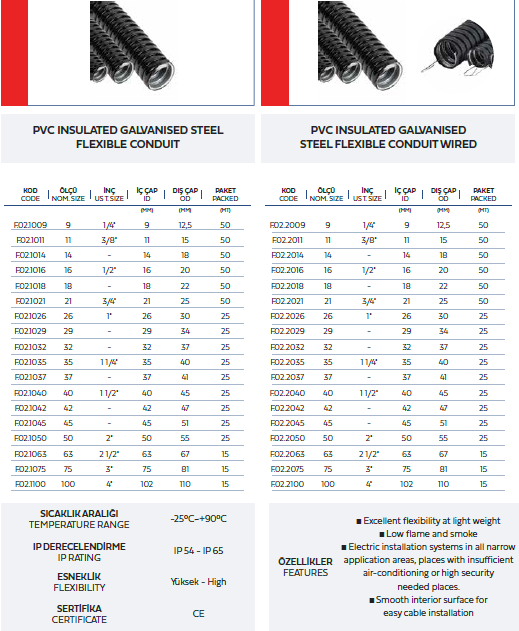
PVC coated flexible steel conduits provide dual-layer protection against corrosion, moisture, and mechanical damage. They are commonly used in outdoor, industrial, and marine environments.
Cable protection pipes are used across numerous industries, including:
Electrical power distribution
Renewable energy systems
Manufacturing facilities
Oil and gas installations
Railway infrastructure
Telecommunications networks
Commercial buildings
Residential developments
Data centers
Marine and offshore projects
Selecting the appropriate cable protection pipe depends on several factors:
Installation environment
Mechanical protection requirements
Chemical exposure risks
Temperature conditions
Moisture levels
UV resistance needs
Fire safety requirements
Compliance with local regulations
A thorough assessment of these factors ensures optimal performance and long-term reliability.
Cable protection pipes are essential components of safe and reliable electrical installations. They provide critical protection against environmental and mechanical hazards while improving system longevity and reducing maintenance costs. Whether using PVC conduits, HDPE pipes, steel conduits, or PVC coated flexible steel conduits, investing in high-quality cable protection solutions helps ensure efficient and secure cable management across various industries.
As infrastructure and industrial projects continue to grow worldwide, the demand for durable and high-performance cable protection pipes remains stronger than ever.